

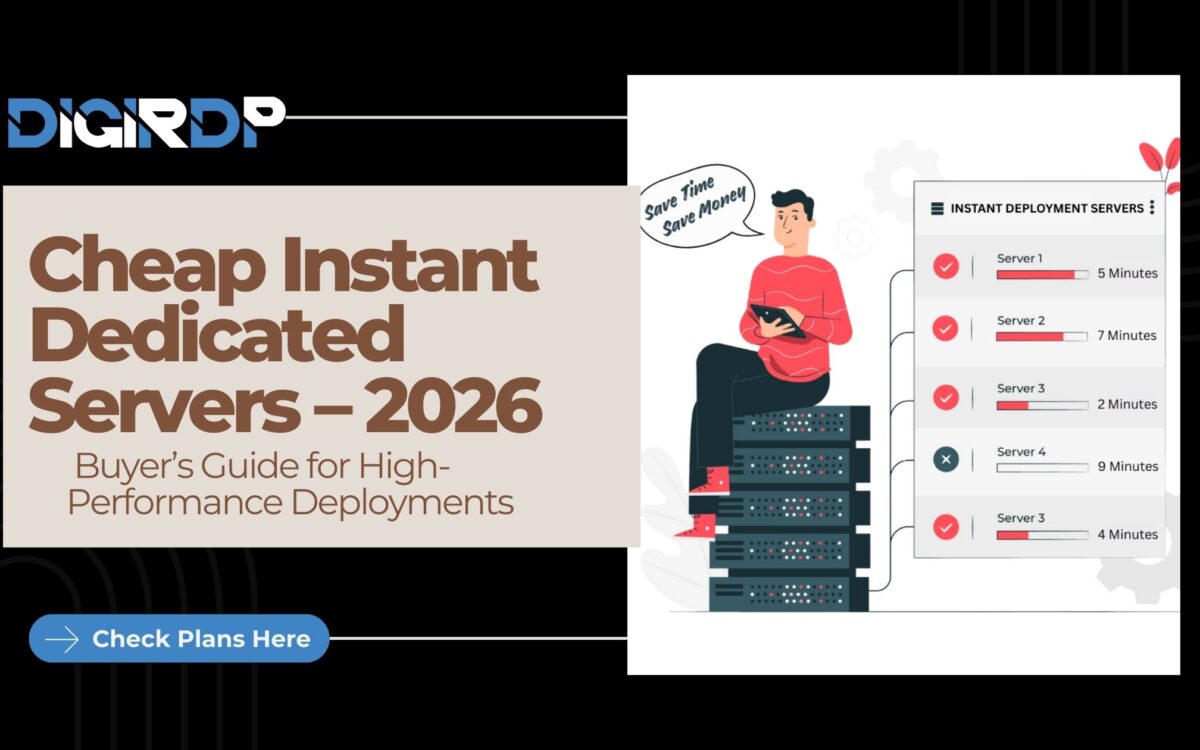
If you’re tired of waiting days for server provisioning—or paying premium prices for outdated hardware—cheap instant dedicated servers are the practical answer in 2026. As a server administrator, I see the same issues repeatedly: slow deployments, noisy neighbors on VPS plans, and unpredictable performance under load.
At DigiRDP, the focus is simple: instant deployment, modern hardware, and pricing that actually makes sense. Whether you’re running automation, trading platforms, streaming workloads, or high-CPU builds, instant dedicated servers remove the bottlenecks that shared environments create. Cheap instant dedicated servers are physical servers deployed within minutes, offering exclusive CPU, RAM, and NVMe storage at budget-friendly prices. In 2026, modern instant dedicated servers use Ryzen 9 or EPYC processors, NVMe 4.0 storage, and 1–10Gbps ports, making them ideal for high-performance workloads without long setup delays.
Why Cheap Instant Dedicated Servers Matter in 2026
Table of Contents
The End of “Shared Performance”
Virtual servers still have their place, but shared resources introduce latency spikes and throttling. Dedicated servers eliminate that risk. You get full hardware isolation, predictable I/O, and stable CPU clocks—even during peak loads.
For users coming from budget environments like
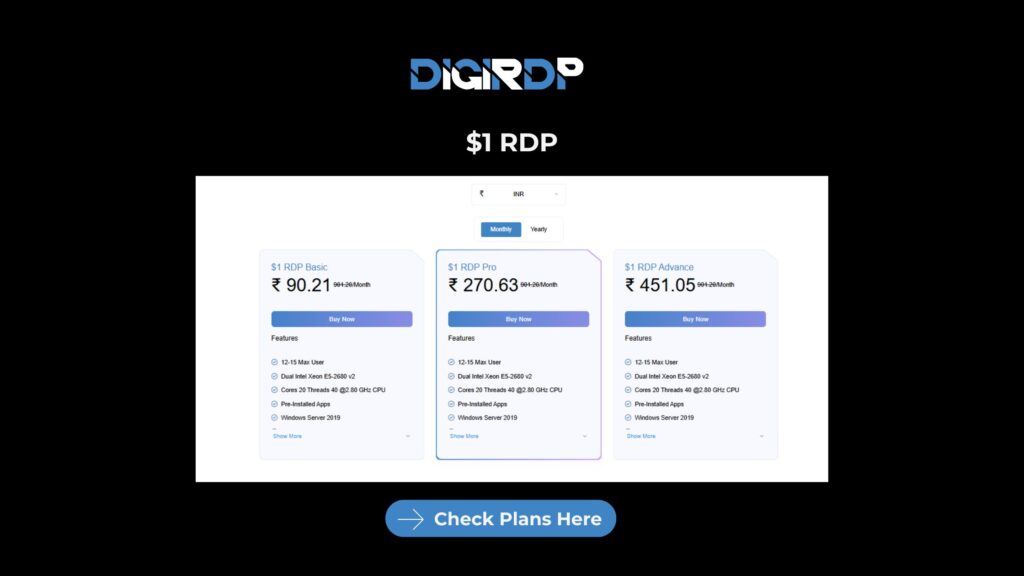
instant dedicated servers are the natural upgrade when workloads outgrow shared limits.
Instant Deployment = Operational Speed
Traditional dedicated servers often take 24–72 hours to deploy. That delay is unacceptable for:
- Time-sensitive campaigns
- Trading strategies
- Automation pipelines
- Emergency scaling
With instant deploy dedicated servers, your machine is live in minutes—OS installed, network routed, and ready for root access.
Hardware Standards You Should Demand (Modern 2026 Specs)
CPU: Ryzen & EPYC Are the Baseline
In 2026, anything less than these CPUs is outdated:
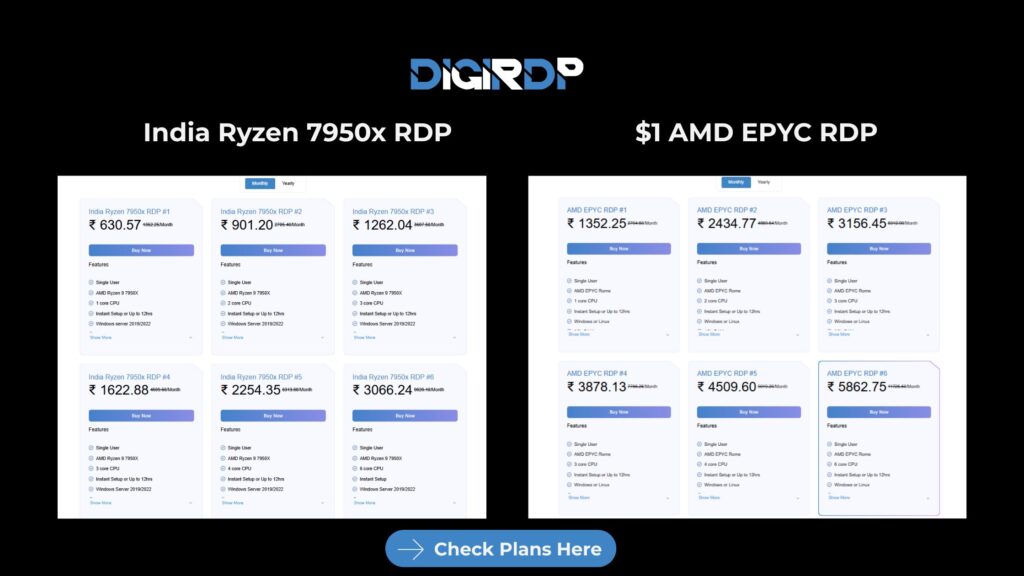
- AMD Ryzen 9 7950X – High clock speed, ideal for single-threaded apps
- AMD EPYC 7003 Series – Massive core counts for virtualization and databases
High-power workloads often pair perfectly with options like:
Storage: NVMe 4.0 Only
SATA SSDs are no longer acceptable for production servers.
Minimum standard:
- NVMe 4.0
- 5,000+ MB/s read speeds
- Dedicated disk (no sharing)
This directly impacts database queries, encoding speed, and OS responsiveness.
Network: 1Gbps vs 10Gbps
- 1Gbps – Enough for most automation, hosting, and trading
- 10Gbps – Required for streaming, encoding, and data replication
If your use case involves media workloads, consider:
Virtualization & Access Control
Bare Metal vs Virtualized Dedicated
Most instant dedicated servers today use bare-metal automation or single-tenant KVM, meaning:
- No overselling
- No shared CPU threads
- Full BIOS-level performance
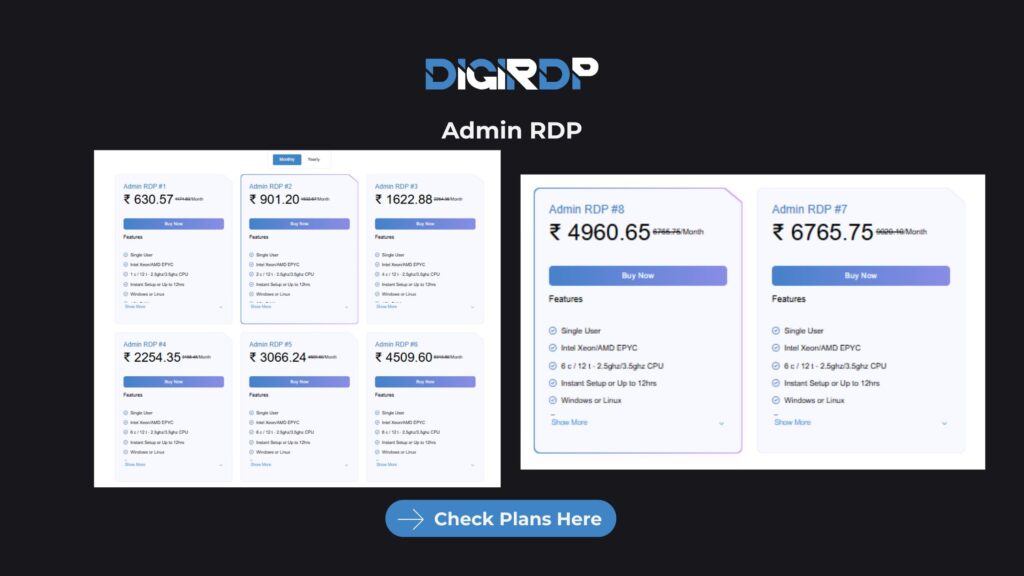
Root / Admin Access
True control requires full privileges. If your workflow needs firewall rules, custom kernels, or service tuning, you’ll want plans aligned with:
Latency, Location & Residential Routing
Geographic Placement
Latency still matters in 2026. Choose server locations close to:
- Trading exchanges
- Streaming endpoints
- Target audiences
For U.S.-based workflows or residential routing needs, solutions like:
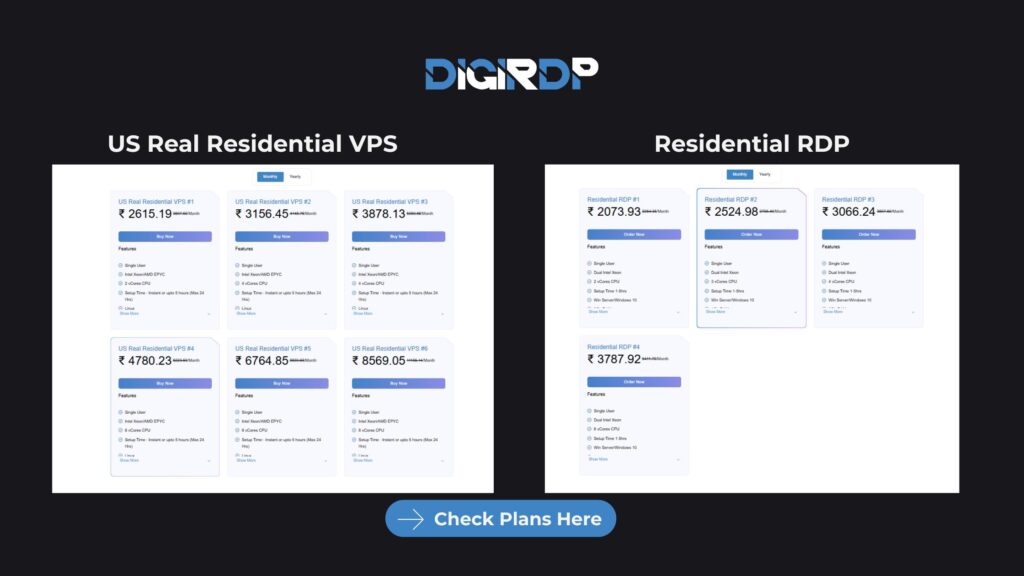
provide cleaner IP reputation and lower detection risk.
DigiRDP vs Generic Providers (Comparison Table)
| Feature | DigiRDP Instant Dedicated | Generic Providers |
|---|---|---|
| Deployment Time | 5–15 Minutes | 24–72 Hours |
| CPU Options | Ryzen 9 / EPYC 7003 | Older Xeon |
| Storage | NVMe 4.0 Dedicated | SATA / Shared NVMe |
| Network | 1–10Gbps | Often capped |
| Root Access | Included | Extra Cost |
| Support | Server-Admin Level | Ticket-Only |
Real-World Use Cases
1. Forex Trading (MT4 / MT5)
Instant dedicated servers provide:
- Low latency execution
- 24/7 uptime
- Stable CPU timing
Perfect for automated strategies and VPS replacements.
2. Survey Automation & Account Management
Dedicated IPs + isolated hardware reduce:
- Flagging
- Resource contention
- Unexpected shutdowns
3. Streaming & Encoding
With NVMe + 10Gbps ports, encoding jobs complete faster with zero frame drops.
4. SaaS & API Hosting
Predictable performance is critical when scaling microservices or APIs under load.
Cost Optimization: Why “Cheap” Doesn’t Mean Weak
Cheap instant dedicated servers are affordable because of:
- Automated provisioning
- Modern hardware efficiency
- No reseller markup
You’re paying for performance, not delays or inflated branding.
Choosing the Right Instant Dedicated Server
Checklist before buying:
- Ryzen or EPYC CPU
- NVMe 4.0 storage
- Root/admin access
- Clear bandwidth limits
- Instant deployment guarantee
If any of these are missing, it’s not a true instant dedicated server.
Final Thoughts
In 2026, cheap instant dedicated servers are no longer a compromise—they’re the standard for professionals who value speed, control, and predictable performance. With modern CPUs, NVMe 4.0 storage, and instant provisioning, they outperform traditional setups at a fraction of the cost.
If your projects demand reliability without delays, instant dedicated infrastructure is the logical next step.
1. Are cheap instant dedicated servers reliable for production use?
Yes. Reliability depends on hardware quality and network design, not price alone. Modern instant dedicated servers using Ryzen 9 or EPYC CPUs with NVMe storage are fully suitable for production workloads in 2026.
2. How fast is “instant” deployment?
Most instant dedicated servers are provisioned within 5–15 minutes. This includes OS installation, IP assignment, and network routing. Anything longer than one hour should not be considered instant.
3. Can I upgrade hardware later?
In most cases, yes. Storage and RAM upgrades are common, while CPU upgrades depend on chassis availability. Always choose providers that support live migrations or fast reprovisioning.
4. Are instant dedicated servers better than VPS?
For CPU-intensive or I/O-heavy workloads, yes. Dedicated servers eliminate noisy neighbors and provide consistent performance, which VPS environments cannot guarantee under load.
5. What operating systems are supported?
Most providers support Windows Server (2019–2025), Ubuntu, Debian, and CentOS-based distributions. Root or administrator access allows full customization.
Explore More About Dedicated Servers
To gain deeper insight into dedicated hosting—covering real-world performance tuning, admin-level optimizations, and detailed infrastructure comparisons—DigiRDP maintains a continuously updated knowledge hub built by experienced server administrators.
For in-depth articles on dedicated server architecture, practical deployment use cases, and step-by-step optimization guides, visit the official DigiRDP Blog and stay current with modern server standards in 2026 and beyond.
Recommended Products
Dedicated Server
High-performance dedicated servers with latest processors, SSD storage, and enterprise-grade security.
- Latest Processors
- NVMe SSD
- DDoS Protection
- 99.9% Uptime